Client
Commission
Factory
Role
UI Designer
UX Researcher
Interaction Designer
Tags
UI Design
UX Design
Web Design
Timeline
11 months
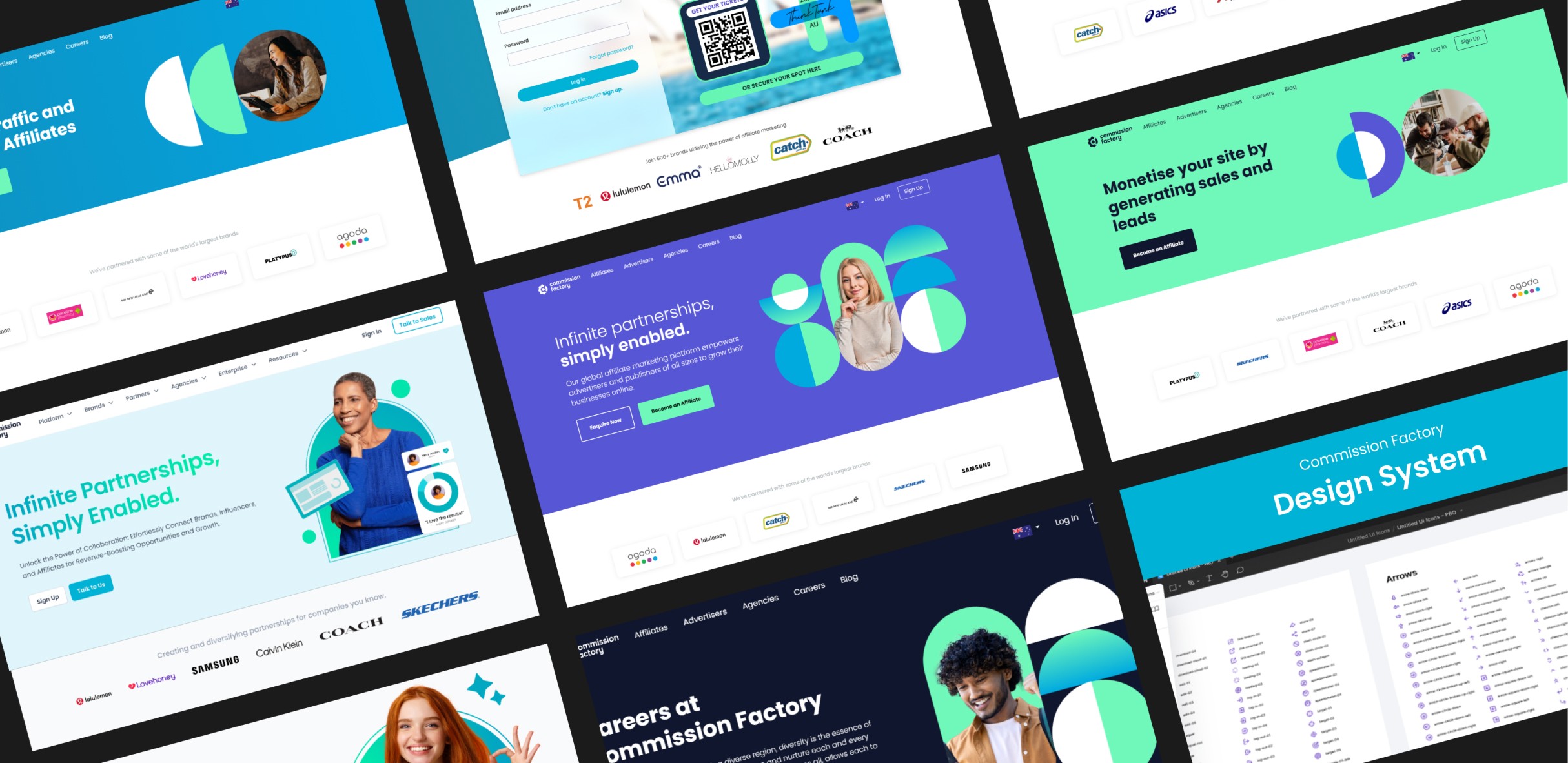
Fun fact 🏆
I started the project as a UI and UX Designer, primarily concentrating on revamping their existing platform to improve the user experience. As the project progressed, I took on the responsibility of conducting thorough research and designing new features to match their refreshed brand identity. Additionally, I led the team in addressing the challenge of the design hand-over process, as there was no established procedure for this. Witnessing the platform's improvement based on user feedback is immensely gratifying, validating the effort I've invested.
About the company👤
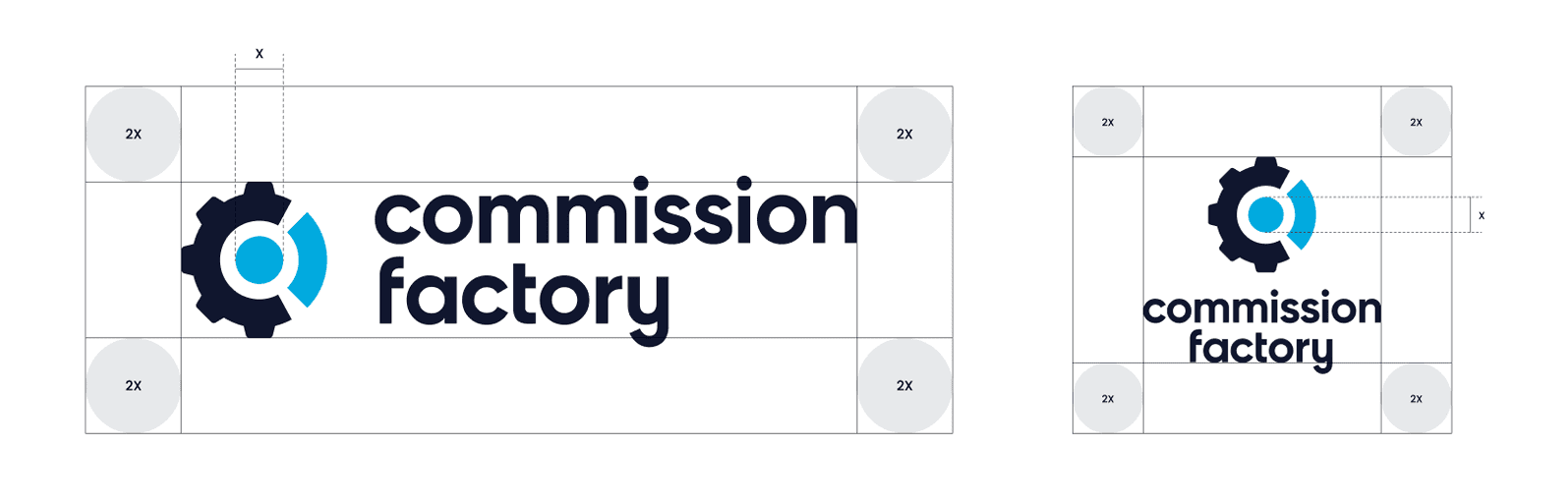
Commission Factory is an affiliate marketing network that acts as the intermediary between advertisers (also referred to as merchants) and affiliates (also referred to as publishers or partners). Commission Factory provides the technology used to track and attribute sales to the correct affiliates, as well as facilitating the payment of affiliate commission on behalf of the advertiser.
Problem❓
The current platform suffers from outdated design and functionality, leading to negative user feedback on its user experience. Additionally, the UI design feels dated and does not align with modern design standards. The platform has also acquired new features and pages that need to be designed with an intuitive and user-centric approach while maintaining the company's brand and business goals.
Design process 🔍
Solutions 💡
Conducted comprehensive user research to identify pain points and areas for improvement.
Implemented a modern, visually appealing design that follows current UI trends to enhance user engagement.
Used a clean and intuitive layout, along with responsive design elements, to improve user navigation and usability across devices.
Updated color schemes, typography, and visuals to improve readability, aesthetics, and overall user experience.
Streamlined user flows and introduced clear and concise messaging to guide users effectively through the platform.
Incorporated interactive elements and engaging features to enhance user engagement and satisfaction.
Regularly gathered and analyzed user feedback to iteratively improve the design and address evolving user needs.
Detailed design process 🔍
Throughout the project, I began by conducting comprehensive user research to identify pain points and areas for improvement. With these insights, I proceeded to implement a modern, visually appealing design that adhered to current UI trends, aiming to enhance user engagement. The design process also involved creating a clean and intuitive layout, integrating responsive design elements to improve navigation and usability across various devices. Additionally, I updated color schemes, typography, and visuals to enhance readability, aesthetics, and the overall user experience.
To further enhance usability, I streamlined user flows and introduced clear, concise messaging to guide users effectively through the platform. Interactive elements and engaging features were also incorporated to boost user engagement and satisfaction. Throughout the project, I regularly gathered and analyzed user feedback, using it to iteratively improve the design and address evolving user needs.
Design Iterations ✏️
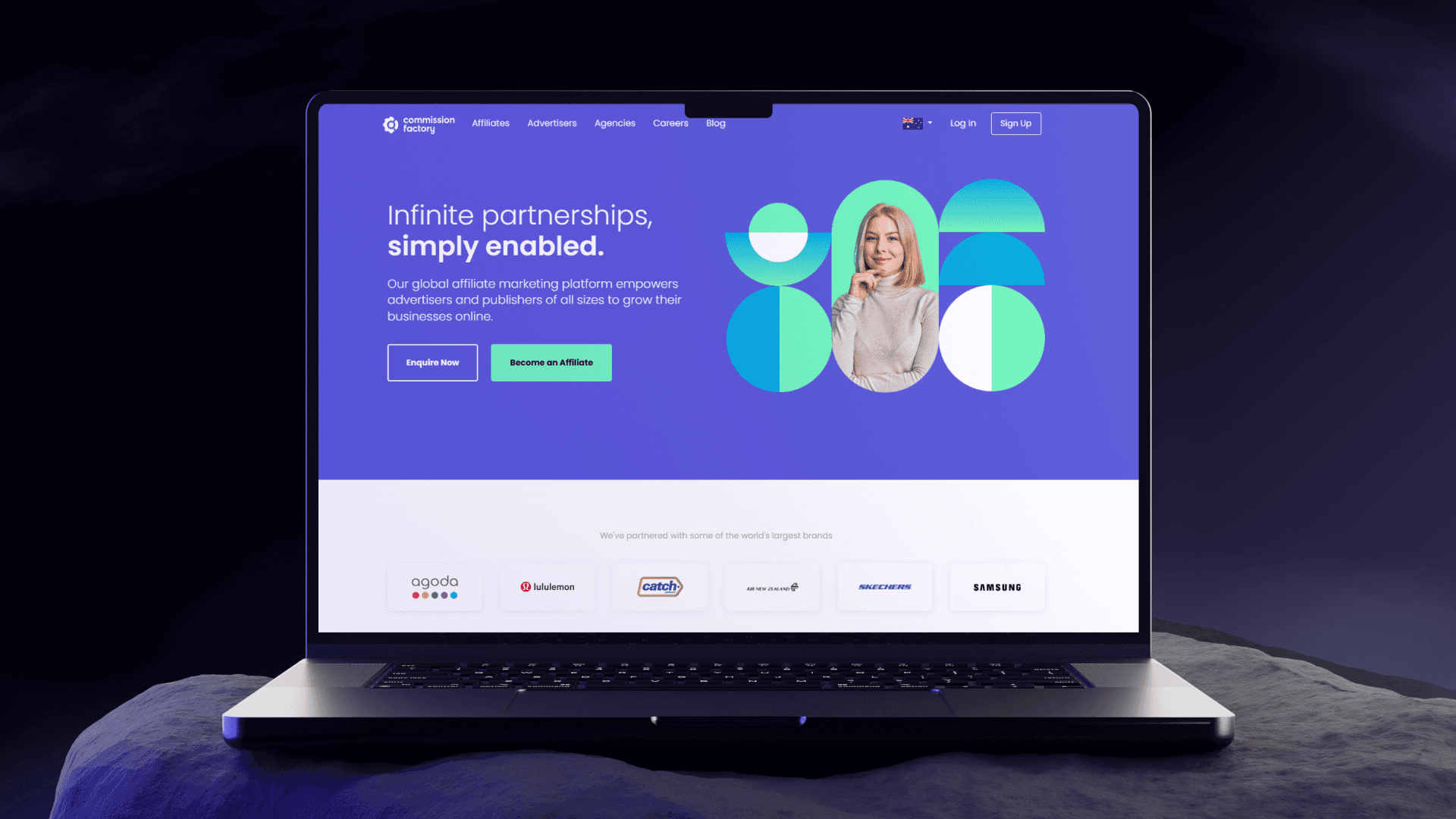
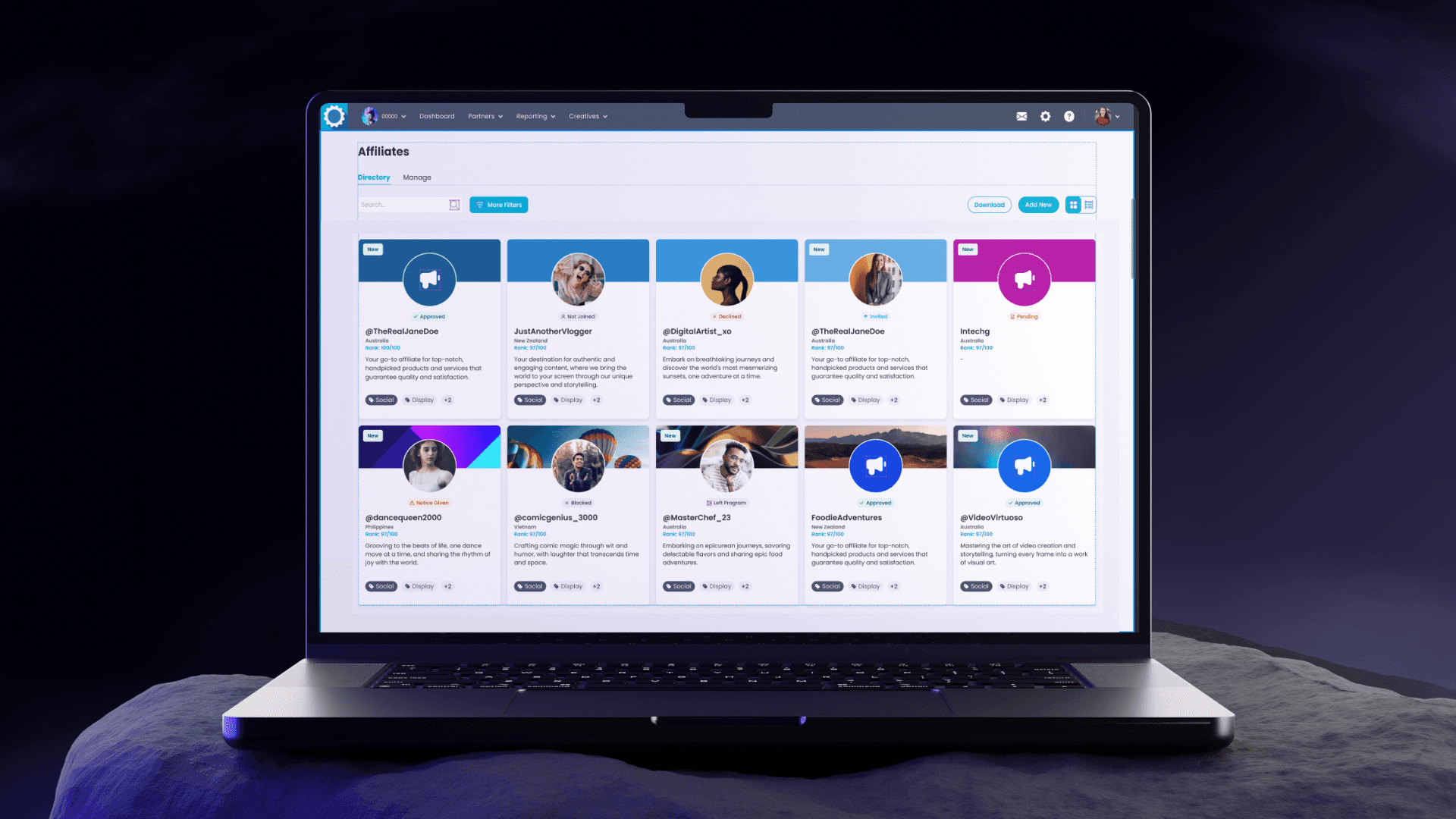
The revamped UI is both visually appealing and user-friendly thanks to the new brand design. We also created user friendly interfaces that helps the users understand and use the platform. Users can easily track/monitor their applications and get real-time statuses.
My Design Contributions ❤️
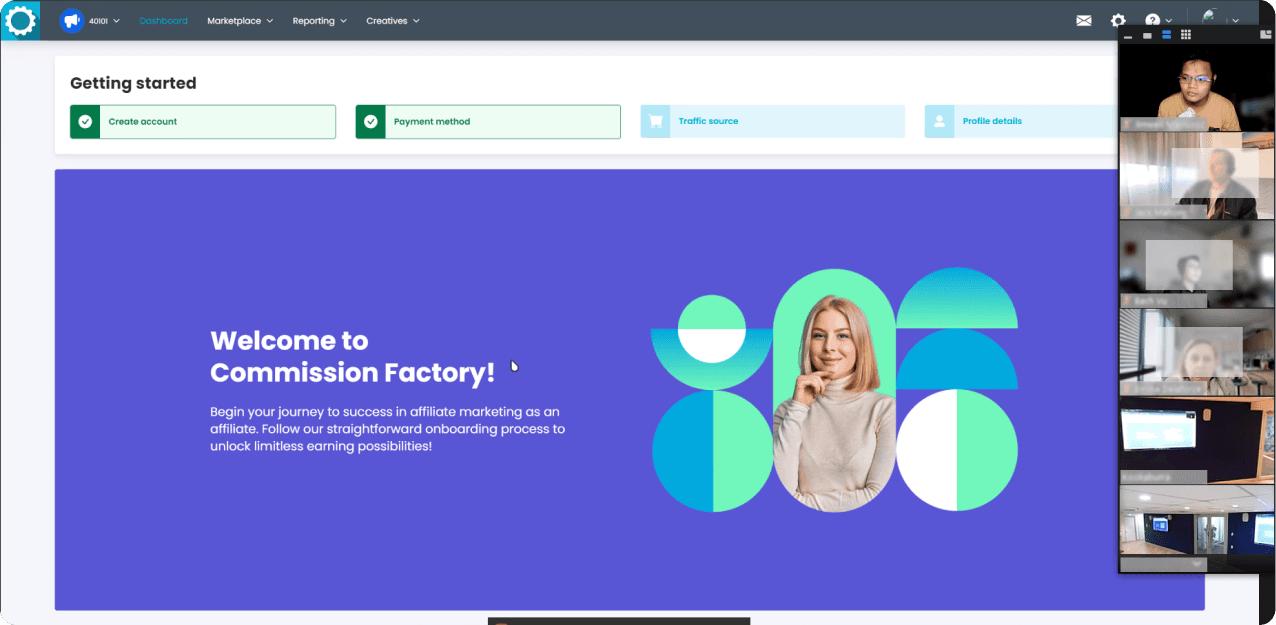
Onboarding Widget
Impact
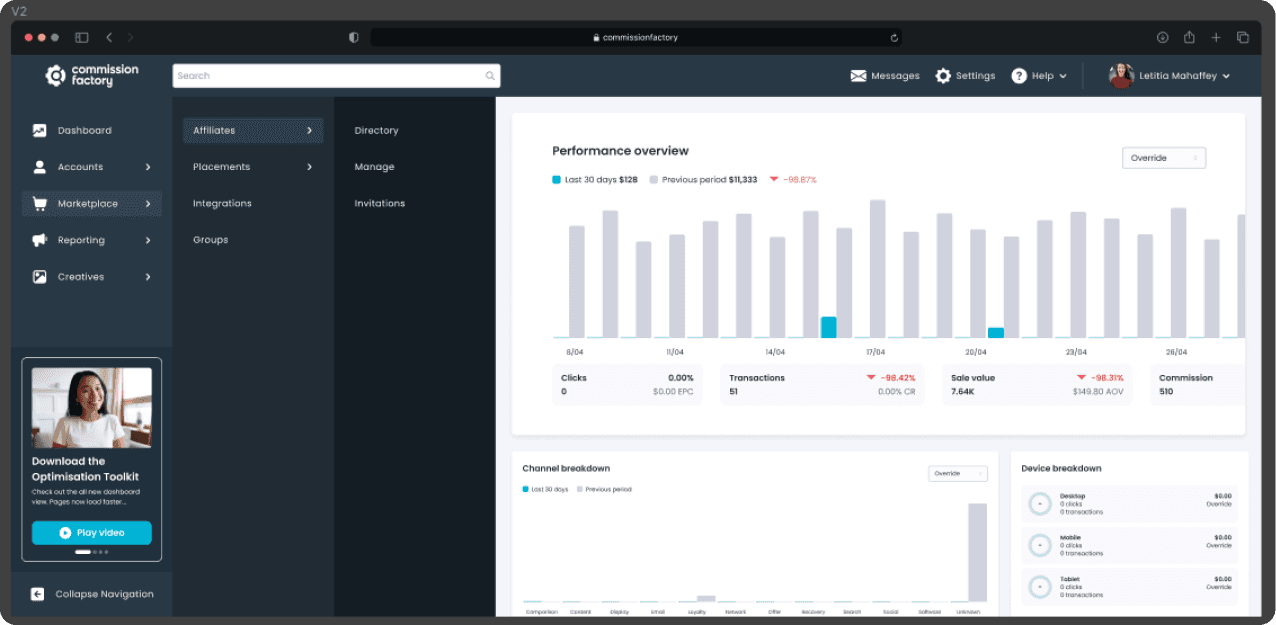
Dashboard Re-design
Impact
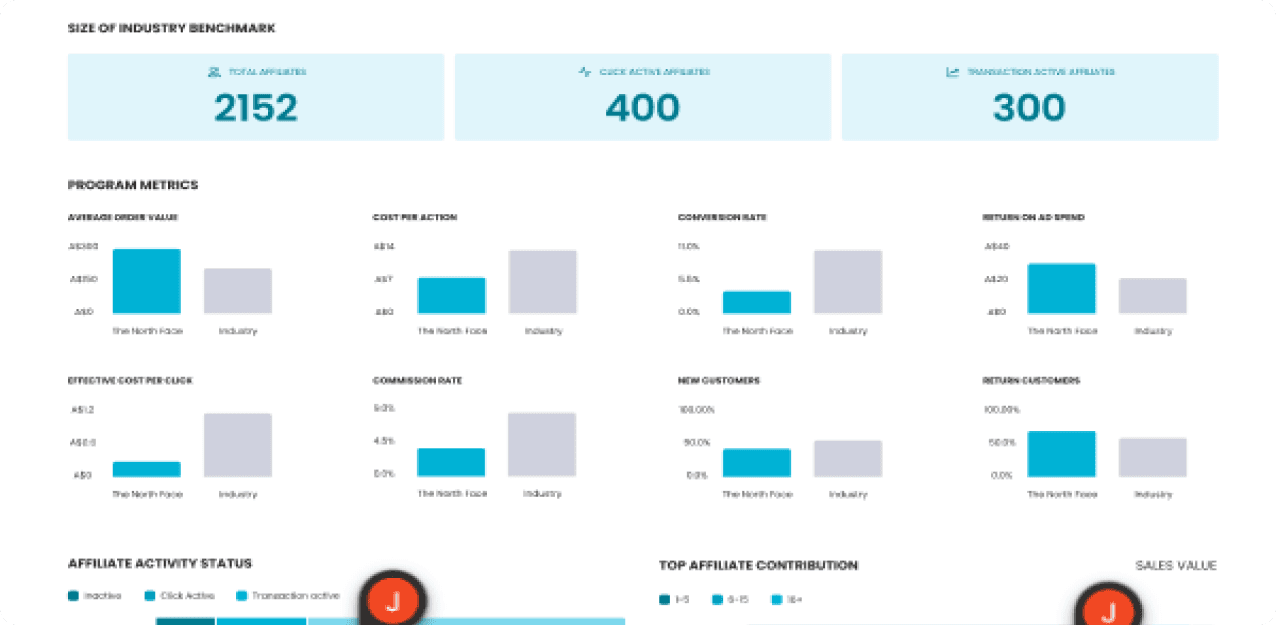
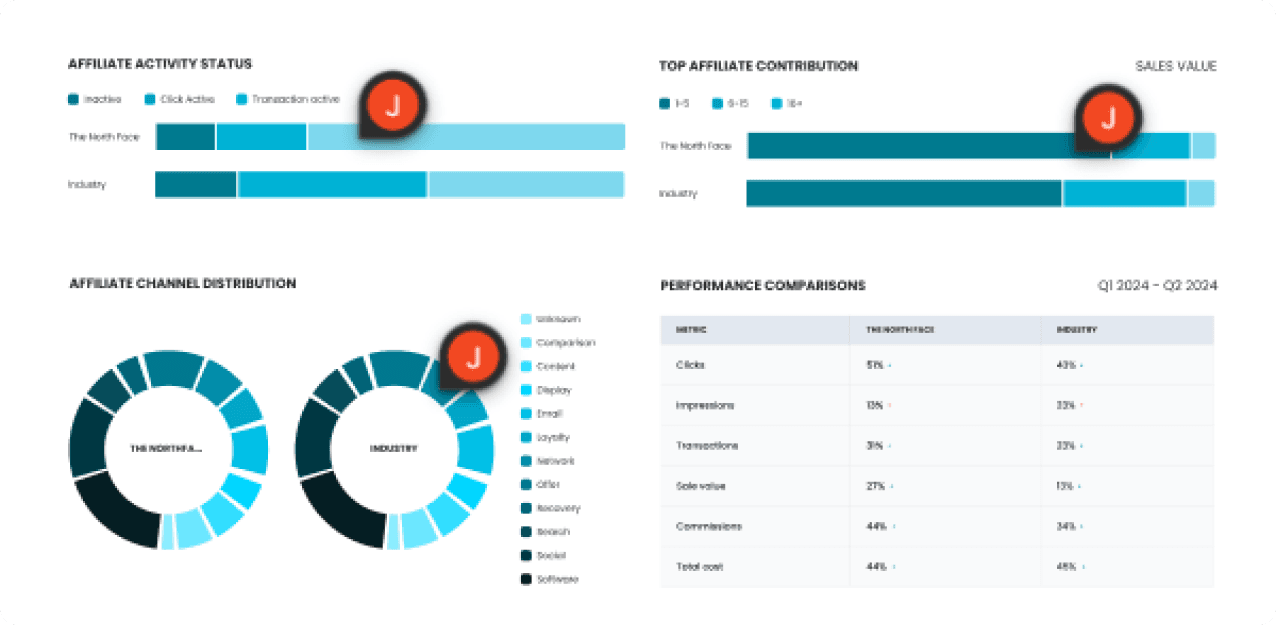
Benchmark Report
Impact
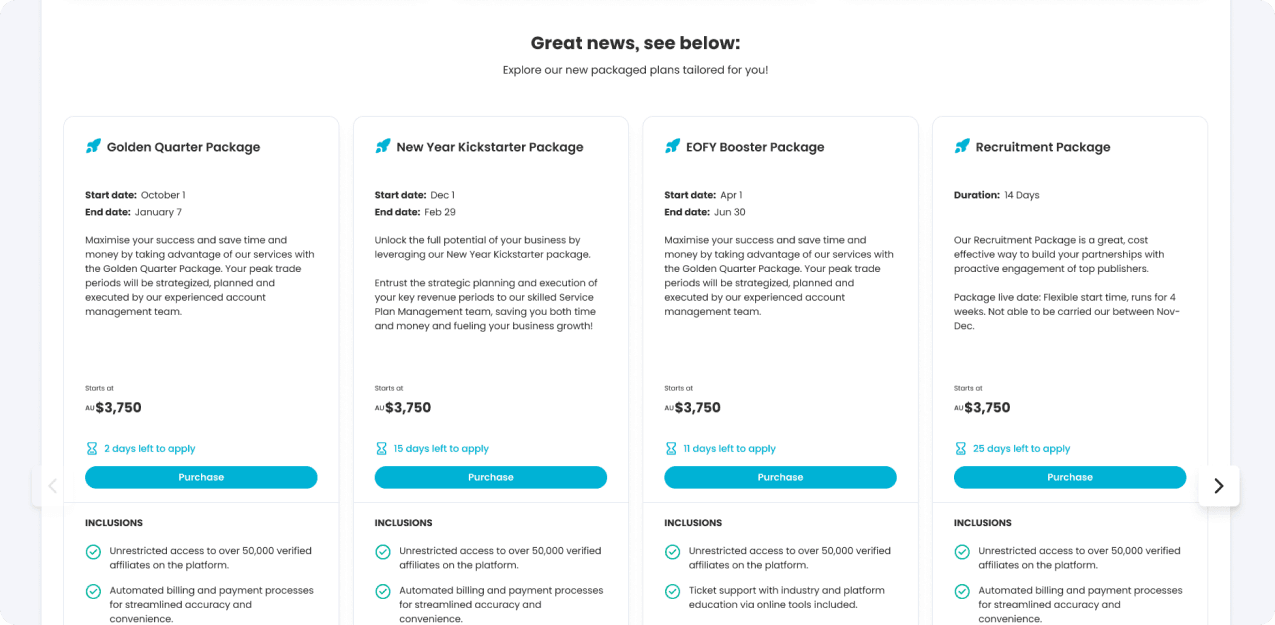
Package Plans Development
Impact
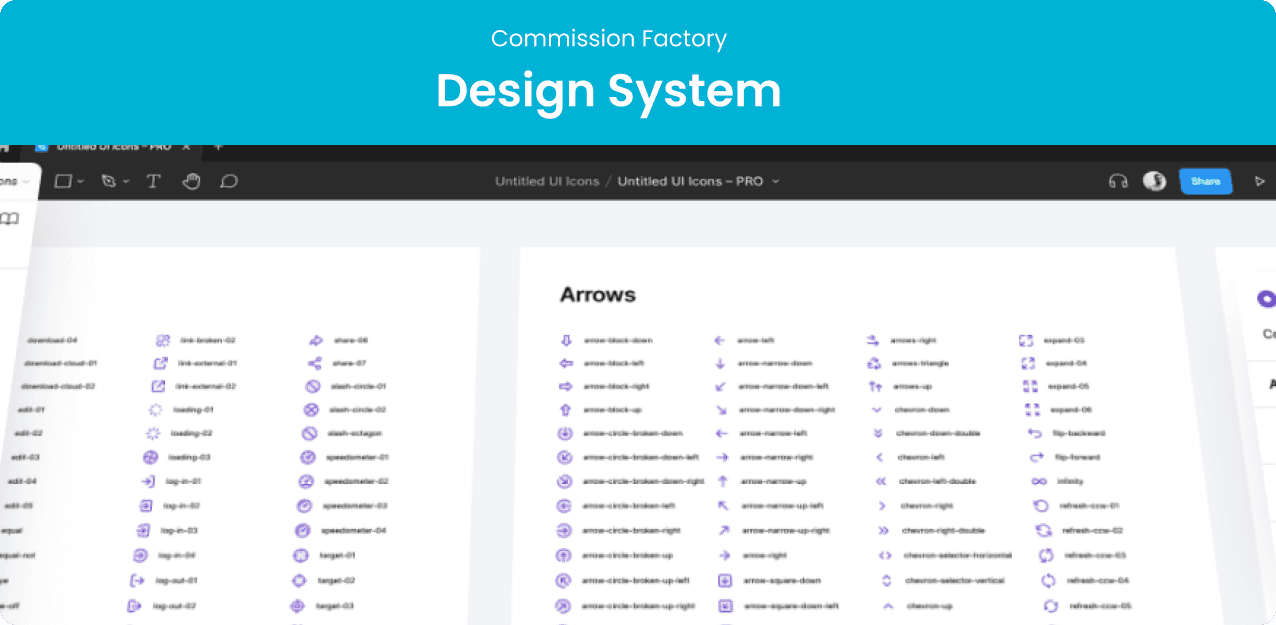
Design System ⚛️
Impact
What I learned ☘️
After completing the project, I've learned the importance of understanding user needs and preferences in UI design.
Conducting thorough user research provided valuable insights into user behavior and expectations, which shaped the design process.
Ensuring designs are adaptable and functional across various devices and screen sizes highlighted the need for responsiveness and flexibility.
I discovered the significance of incorporating aesthetic elements like color schemes, typography, and layout to enhance both appeal and usability.
Maintaining a feedback loop by regularly gathering and analyzing user feedback proved crucial for identifying areas for improvement and refining the design.
Embracing continuous improvement and clear communication with users helped in making the design more effective and engaging.
Other case studies